
 By
By 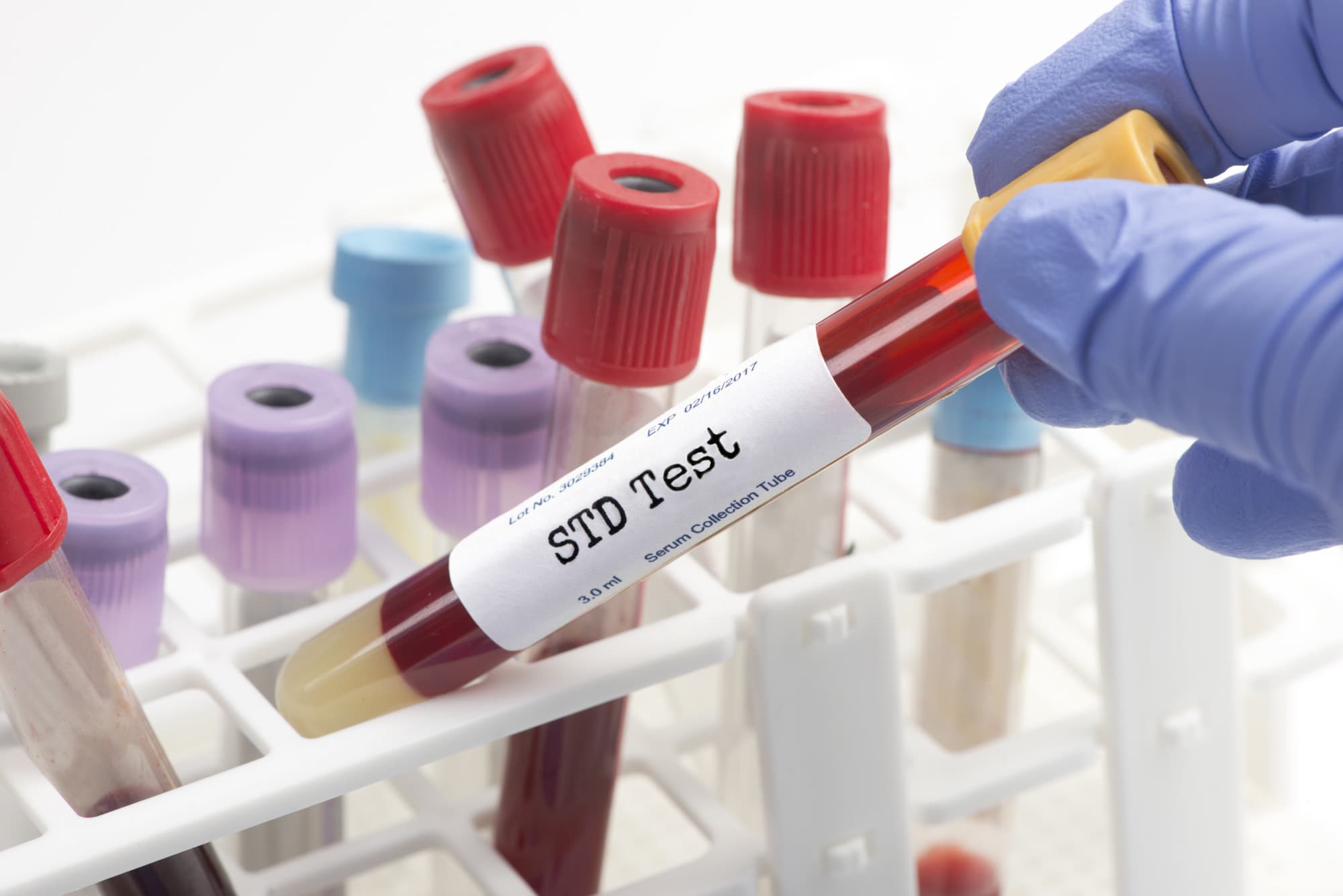
An STD test is a medical examination designed to check whether a person has a sexually transmitted disease (STD). STDs are infections passed primarily through sexual contact, and they often show no symptoms—making testing vital.
Early detection through an STD test allows for timely treatment, reduces transmission, and prevents long-term health complications such as infertility or organ damage. People of all ages and relationship statuses may need an STD screening at some point, especially those with new or multiple partners, or anyone who engages in unprotected sex.
Types of STDs Commonly Tested
There are several types of STDs, and not all are tested with a single method. The most common STDs screened for include:
- Chlamydia
- Gonorrhea
- Syphilis
- HIV
- Herpes (HSV-1 and HSV-2)
- Hepatitis B and C
- Human papillomavirus (HPV), depending on age and gender
Each STD may require a different approach to detection, so your healthcare provider will determine which tests are appropriate based on your symptoms, sexual history, and risk level.
How the Testing Process Works
STD tests can be done in a clinic, hospital, private doctor’s office, or even at home with test kits. The process is generally simple, quick, and minimally invasive. Depending on the suspected infection, your doctor may use one or more of the following methods:
- Urine sample: Often used for chlamydia and gonorrhea
- Blood test: Used to detect HIV, syphilis, or hepatitis
- Swab test: Swabbing of the throat, genital area, or anus to detect local infections
- Physical exam: A doctor may inspect the genital area for warts, sores, or rashes
Most tests take just a few minutes and don’t require any special preparation. Results may take a few days to return, depending on the type of test for STDs and the laboratory’s processing time.
When Should You Get Tested?
Knowing when to get tested is just as important as knowing how. You should consider an STD test if:
- You’ve had unprotected sex with a new partner
- You or your partner have multiple sexual partners
- You experience symptoms like unusual discharge, pain, itching, or sores
- You’re pregnant or planning to become pregnant
- A past or current partner tells you they’ve tested positive for an STD
Some people schedule regular tests as part of their routine health check-ups, particularly if they are sexually active with more than one partner. Early and regular testing is the best way to stay safe and reduce the spread of infection.
Privacy and Confidentiality
Many people worry about privacy when getting an STD test. Fortunately, medical professionals are trained to handle these situations with discretion. In most clinics, test results and personal information are strictly confidential.
You have the right to request private consultations and to be informed about how your data is used. Home testing kits can also offer privacy and convenience, though it’s important to choose FDA-approved kits and consult a healthcare provider if the results are positive or unclear.
What to Expect After the Test
Once your test results are in, your healthcare provider will explain the findings. If your STD test comes back negative, no further action may be needed, though continued regular testing may be advised depending on your lifestyle.
If the test is positive, your provider will discuss treatment options. Most bacterial STDs, such as chlamydia or gonorrhea, are treatable with antibiotics. Viral infections like HIV or herpes cannot be cured but can be managed with long-term medications.
It’s important to inform your sexual partners if you test positive, so they can also get tested and treated if necessary. This helps stop the chain of transmission and protects everyone involved.
Benefits of Getting Tested
Beyond protecting your health, getting an STD test has several other benefits:
- Prevents transmission to others
- Reduces anxiety about unknown status
- Allows for early treatment, preventing complications
- Encourages honest communication between partners
Taking charge of your sexual health is a responsible and empowering step. Many people report feeling relieved and more confident after getting tested and knowing their status.
Myths and Misconceptions
There are still common misconceptions about STD testing. Some people think they only need to get tested if they have symptoms. However, many STDs can remain symptom-free for weeks or months.
Others believe testing is painful or embarrassing, when in reality, it’s a normal part of healthcare. There’s also a myth that testing is only necessary for people with multiple partners. In truth, anyone who is sexually active should consider routine testing—regardless of relationship status.
Conclusion
An STD test is a simple yet powerful tool for maintaining your overall health. Knowing how it works and when to get tested can help you make informed decisions and stay ahead of potential health issues. Whether you’re getting tested as part of a routine check or because of a potential exposure, remember that it’s a proactive step—not a judgment on your lifestyle. Getting tested regularly is not just about you—it’s about taking care of your partners and contributing to a healthier, more informed community.










Comments