
 By
By 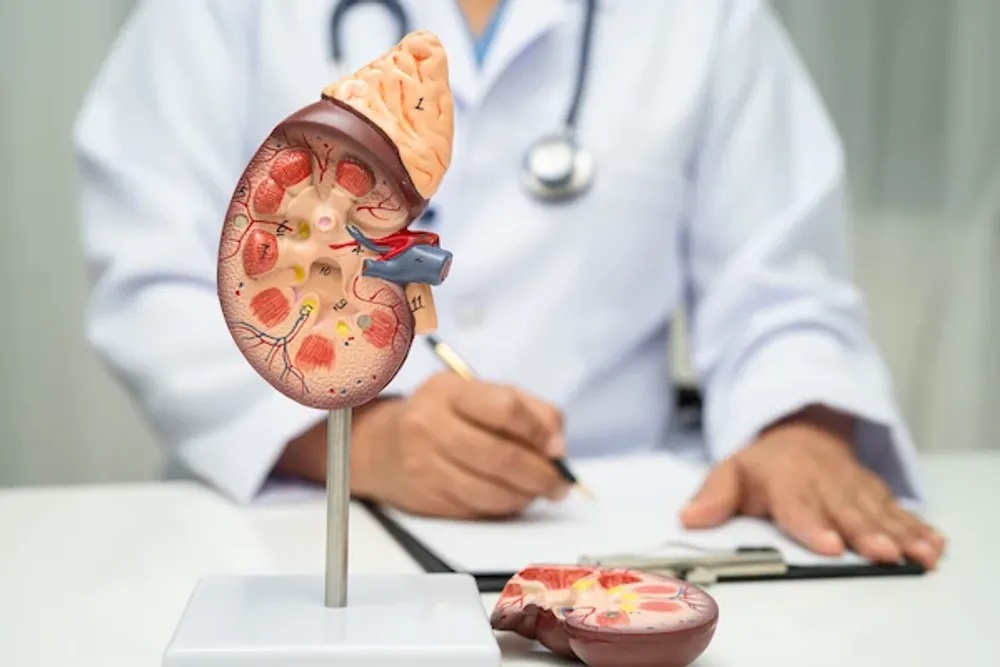
When the kidneys are damaged either suddenly (severe kidney harm) or constantly over time (chronic kidney disorder), their ability to perform these essential functions declines. Acute kidney disorder (AKD) worsens rapidly, commonly on account of dryness, contamination, poisons, or medications, and can be reversible accompanying current care.
Chronic kidney disorder (CKD), in another habit, progresses slowly and is consistently precipitated by environmental determinants like diabetes, hypertension, and autoimmune disorders. Without correct administration, CKD can lead to end-stage renal disorder, needing dialysis or a graft.
Stem Cell Treatment for Kidney Disease in Malaysia
Thanks to breakthroughs in regenerative care, new cell-based and basic therapies are arising that aim not only to manage symptoms but also to enhance repair and restore lost function, providing new hope for patients at any stage of kidney disorder. Read the article below for Acute & Chronic Kidney Disease Support – Regenerative treatments to enhance kidney function and slow disease progression.
The Role of Regenerative Medicine in Kidney Care
Regenerative cure focuses on harnessing the body’s common ability to cure and repair damaged tissues. For kind conditions, educational healings aim to provoke cellular conversion, enhance microcirculation, and block further scarring (fibrosis) inside the renal tissues.
Combining Regenerative Therapy following Conventional Care
While regenerative restorative offers new possibilities, it everything best when joined with an inclusive care plan. Medical specialists frequently approve regenerative treatments accompanying:
• Blood pressure administration:
Regulating hypertension to lower stress on the kidneys.
• Blood sugar administration:
Maintaining oxygen levels in diabetic patients to prevent further renal damage.
• Hydration and poison control:
Ensuring correct fluid balance and preventing nephrotoxic cures.
• Regular listening:
Frequent sort function tests to monitor course improvements and manage the position.
This complete approach guarantees that educational treatments present general benefits while advocating overall metabolic stability.
Innovations Related to Kidney Regeneration
Researchers are surveying leading regenerative approaches to enhance tissue repair. Promising incidents contain:
• Exosome medicine:
Using cell-derivative vesicles that transfer regenerative particles directly to broken tissues.
• Bioengineered sort tissue:
3D bioprinting and organoid electronics to recover or repair damaged nephrons.
• Gene remedy:
Correcting genetic mutations responsible for inherited kidney disorders.
The unification of regenerative care into kidney care represents a shift from syndrome management to working recovery and prevention of irreparable damage. Early intervention accompanying stem cell or cellular analysis can help maintain kidney well-being, improve the condition of life, and potentially delay or remove the need for dialysis.
Patients are heartened to seek specialized centers’ contribution to advanced educational therapies under an expert medical project to ensure secure and effective outcomes.
Conclusion
Acute and chronic kidney disorders no longer have to progress toward irrevocable failure. Regenerative therapies—especially stem container–based situations—offer a promising new path to fix kidney function, reduce inflammation, and promote ongoing organ energy.
By combining modern enlightening solutions accompanying conventional nephrology care, patients can realize better kidney function, enhanced vitality, and refreshed hope for a more active future—without the constant fear of dropping renal function.
For Disease Treatment Kindly go through https://eyestemcellcenter.com/
Stem Cell Therapy for Eye Disease in India










Comments