
 By
By 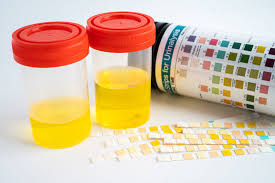
A synthetic urine sample’s integrity is highly dependent on its temperature. Most laboratory tests require samples at body temperature (approximately 94-100°F or 34.4-37.8°C) to ensure accurate results. Samples outside this range may yield inconsistent data, potentially compromising research outcomes or equipment calibration.
Initial preparation considerations
Before heating your synthetic urine, consider these essential preparation factors:
- Storage conditions – Samples kept in cold environments will require longer heating times
- Volume of liquid – Larger volumes naturally need more time to reach the target temperature
- Container material – Glass, plastic, and metal containers transfer heat at different rates
- Starting temperature – Room temperature samples heat more quickly than refrigerated ones
Standard heating methods and their durations
- Microwave heating
Microwave heating offers speed but requires careful timing to avoid overheating:
- Small samples (30-60ml) – 10-15 seconds on medium power
- Medium samples (60-90ml) – 15-20 seconds on medium power
- Large samples (90ml+) – 20-25 seconds on medium power
Continue heating in short increments, and check the temperature between sessions to prevent overheating. Once the desired temperature is reached, transfer to an insulated container or use heating pads to maintain temperature.
- Heating pads
Many laboratory-grade synthetic urine comes with specialized heating pads:
- Activation time – Most heating pads take 15-20 minutes to reach full temperature
- Temperature maintenance – Quality heating pads maintain the proper temperature for 6-8 hours
- Positioning – Attach the pad to the container according to manufacturer instructions for optimal heat transfer
- Water bath method
The water bath method offers precise temperature control:
- Preparation time – Heat water to approximately 102°F (39°C)
- Immersion duration – 8-10 minutes for small containers, 12-15 minutes for larger containers
- Temperature monitoring – Use a reliable thermometer to check the sample temperature every 2-3 minutes
Critical monitoring techniques
Regardless of your heating method, monitoring the temperature is essential:
- Use temperature strips – Most quality Synthetic Urine Kits include temperature strips that change colour based on the temperature range
- Digital thermometers – For precise measurements, use a digital thermometer designed for liquids
- Regular checks – Check temperature every 10-15 minutes if storing for more extended periods
Maintaining temperature after heating
After reaching the optimal temperature:
- Insulation – Use insulated containers or body heat to maintain temperature
- Heating pads – Most heating pads provide 6-8 hours of consistent heat
- Position awareness – Keep the container close to a heat source if temperature maintenance is required for extended periods
Troubleshooting temperature issues
If you encounter temperature problems:
- Too cold – Apply additional heat sources or return to a heating method for 50% of the original time
- Too hot – Allow cooling at room temperature, checking every minute until the desired temperature is reached
- Fluctuating readings – Ensure the temperature strip or thermometer is attached correctly and functioning
Planning for success
Successful temperature management requires planning:
- Practice runs – Test your heating method before critical applications
- Backup plans – Have alternative heating methods available
- Timing awareness – Schedule heating to coincide precisely with the intended use
For consistent laboratory results, selecting quality Synthetic Urine Kits with reliable temperature indicators and heating elements is essential. These professional-grade kits typically include detailed instructions for achieving and maintaining optimal temperature and specialized heating mechanisms explicitly designed for laboratory testing applications.











Comments